Exhausted And Can’t Lose Weight? It Could Be Hashimoto’s
“I can’t lose weight, I’m always tired, but my doctor checked my thyroid and it’s normal.”
I can’t count how many times I’ve heard this from the women I help, especially women my age, over 40.
You’re exhausted no matter how much you sleep. You’re cold when everyone else is fine. Your hair is thinning, your brain feels foggy, and the weight won’t move. You ask for a blood test, and you’re told your thyroid is normal.
I hear this story all the time. And very often, there’s something going on with the thyroid that a standard test was never designed to catch.
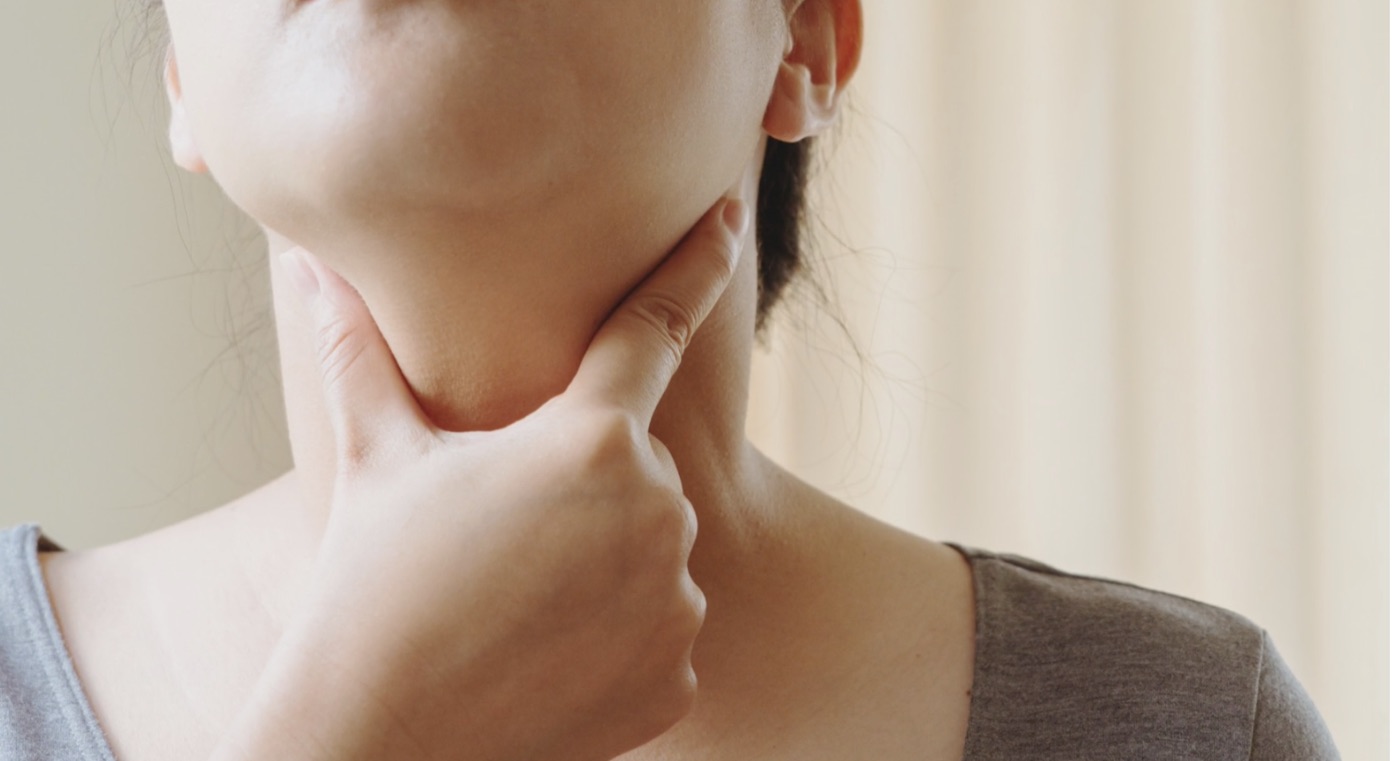
Hashimoto’s thyroiditis is an autoimmune disease in which the immune system attacks thyroid tissue, which leads to lower thyroid hormone levels.¹ It affects women far more than men, with a female to male ratio of at least 10 to 1, and it is often diagnosed late.¹
I know what it’s like to have an immune system that turns on your own thyroid. I lived with Graves’ disease, the other autoimmune thyroid condition, for years before my rheumatoid arthritis diagnosis. So this topic is personal to me.
Why Hashimoto’s Is So Often Missed
In the early stages of Hashimoto’s, people often already have signs and symptoms, but their tests can come back normal, or even show an overactive thyroid. This is because the destruction of thyroid cells happens intermittently, not all at once.¹
On top of that, standard testing usually looks at TSH only, and sometimes free T4. T3, your active thyroid hormone, is not routinely tested, and neither are thyroid antibodies.² So someone can have TSH and T4 within range, T3 on the low side, and raised thyroid antibodies, and still be told everything is fine.
The Symptoms Worth Paying Attention To
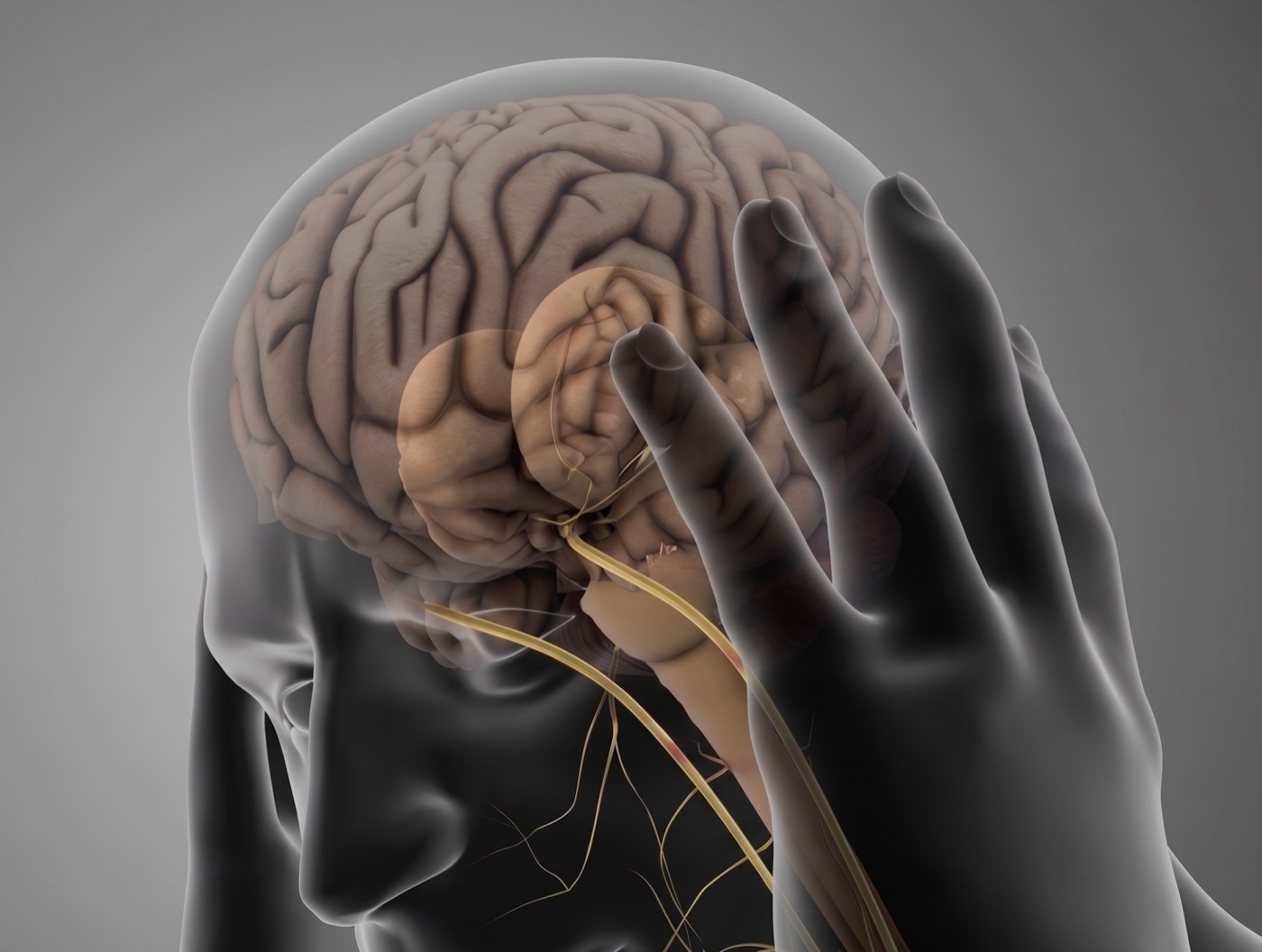
None of these confirm a thyroid problem on their own, but together they are worth investigating:³
- Fatigue
- Weight gain, or being unable to lose weight
- Feeling cold, cold hands and feet
- Brain fog and trouble concentrating
- Hair loss, thinning hair and eyebrows
- Dry skin and brittle nails
- Constipation, gas and bloating
- Low mood or depression
- Joint and muscle pain
- Heavy or irregular periods, low libido, fertility problems
- Puffy face and swollen eyelids
- Headaches
What A Full Thyroid Picture Actually Looks Like
When I look at thyroid health, I want to see more than two markers. A comprehensive thyroid panel includes:
- TSH, the signal from your brain asking the thyroid to work
- Free T4, the storage form of thyroid hormone
- Free T3, the active form your cells actually use
- Reverse T3, an inactive form that can block T3 from doing its job
- Thyroid peroxidase (TPO) antibodies and thyroglobulin antibodies, the markers of the autoimmune attack
In naturopathic nutrition, the optimal range for TSH is 2.5 or less,⁴ and ideally I like to see it no higher than 2. Higher TSH levels together with thyroid antibodies increase the risk of an underactive thyroid progressing to full hypothyroidism.⁴
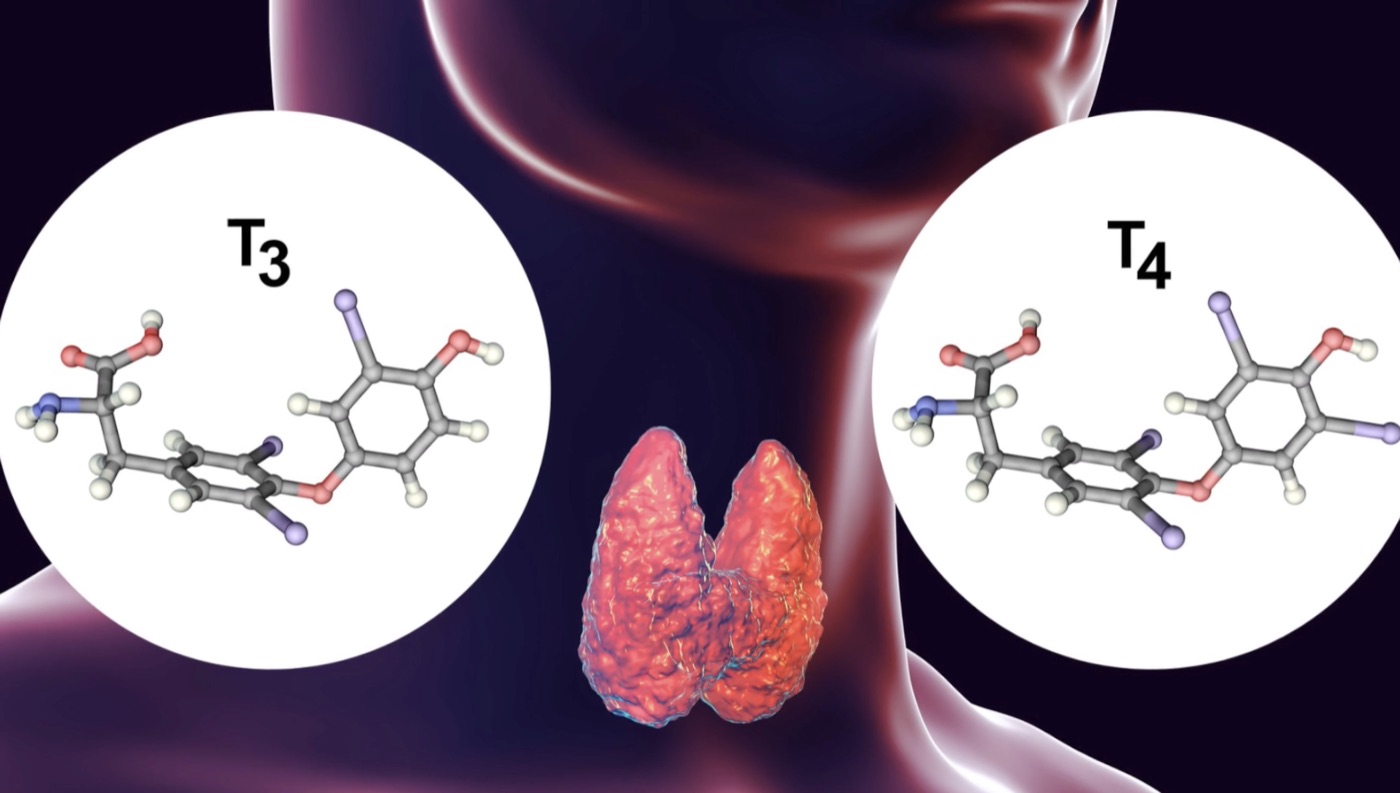
Reverse T3 is the piece most people have never heard of. Your thyroid mainly releases T4, and most of your active T3 comes from converting T4 in other tissues, mainly the liver and kidneys. T4 can be turned into active T3, or into reverse T3, which is inactive.⁵ When reverse T3 goes up, the effect of T3 goes down, and this can look exactly like an underactive thyroid. Reverse T3 increases with high stress, zinc, selenium or iron deficiency, poor liver function, and fasting or strong calorie restriction.
The Gut And Thyroid Connection
This is the part I find most important, and the one that’s almost never discussed in a standard appointment.
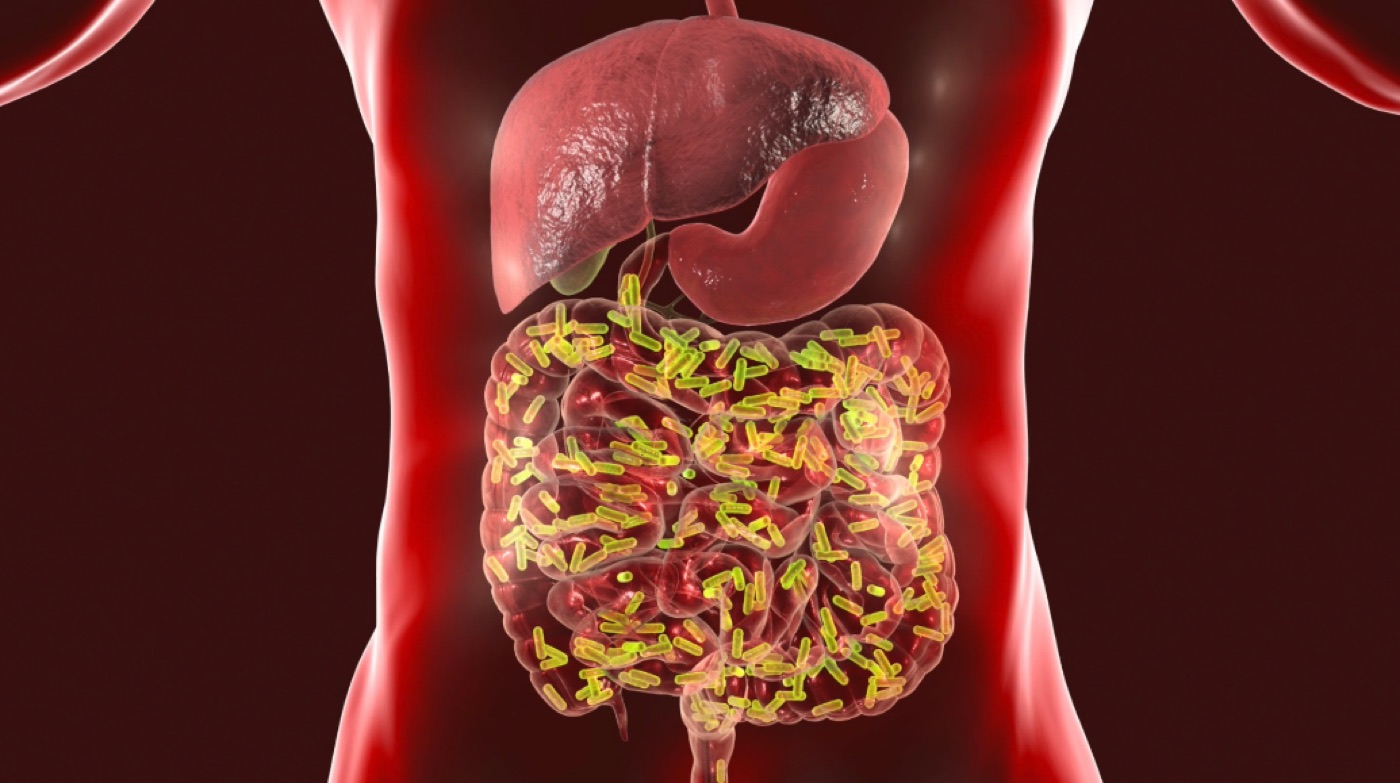
An imbalanced gut microbiome negatively affects thyroid function. Gut microbes help regulate how iodine is absorbed and recycled.⁶ ⁷ In autoimmune thyroid disease, it’s common to see low production of short-chain fatty acids (the protective compounds your good bacteria make), raised zonulin, a marker of increased intestinal permeability (“leaky gut”), and raised LPS, a bacterial toxin in the blood that drives chronic low-grade inflammation.⁶ ⁷
Food matters here too:
- Gluten. Hashimoto’s often exists alongside coeliac disease, and a gluten-free diet has been shown to lower thyroid antibodies in women with Hashimoto’s.⁸ Part of the reason may be molecular mimicry: gliadin, a protein in gluten, resembles transglutaminase, an enzyme that is abundant in the thyroid gland.⁹
- Lactose. In Hashimoto’s patients with lactose intolerance, restricting lactose was followed by a decrease in TSH levels.¹⁰
What Can Trigger Or Drive Hashimoto’s
Hashimoto’s rarely has a single cause. The factors I look at include:
- Infections. Epstein-Barr virus and H. pylori are often implicated.¹
- Too much iodine. Highly iodinated thyroglobulin is more likely to trigger an immune reaction.¹¹
- Chronic stress. It slows thyroid hormone signalling, reduces T3, raises reverse T3, and shifts the immune system in a direction that predisposes to autoimmune thyroid disease.¹²
- Heavy metals. Mercury, for example, is linked to raised thyroid antibodies.¹³
- Environmental chemicals. Triclosan, found in some toothpastes and personal care products, has a structure that resembles thyroid hormones.¹⁴ Chlorine from swimming pools is linked to raised TSH and thyroid antibodies, and fluoride interferes with iodine uptake and with the conversion of T4 into T3.¹⁵ ¹⁶
- Poor sleep. Sleep apnoea and Hashimoto’s appear to influence each other.¹⁷
- Genetics. Variations in genes such as VDR (the vitamin D receptor) are linked to autoimmune thyroid disease.¹⁸
Your Thyroid Doesn’t Work In Isolation
Hashimoto’s rarely shows up on its own. Two conditions I always keep in mind are oestrogen dominance and PMOS, formerly known as PCOS.
Oestrogen dominance is a state of excess oestrogen activity, for example too much oestrogen relative to progesterone, or oestrogen that isn’t being properly detoxified and eliminated. It is associated with thyroid dysfunction, including Hashimoto’s, as well as with insulin resistance, fibroids, PMS, brain fog, anxiety and depression.
PMOS (polyendocrine metabolic ovarian syndrome) is the new name for PCOS (polycystic ovary syndrome). It was officially renamed in May 2026 after a global expert consensus, because the old name suggested the condition is caused by ovarian cysts, which it isn’t. The new name describes what it really is: “polyendocrine” for the several hormonal imbalances that interact with each other, “metabolic” for features such as insulin resistance and weight gain, and “ovarian” for its effect on ovulation.¹⁹
PMOS affects 5 to 20% of women of reproductive age, and autoimmunity such as Hashimoto’s is one of its possible complications.²⁰ ²¹ Insulin resistance is the most common driver in the majority of PMOS cases, seen in 75% of lean women and 95% of women with obesity who have PMOS, and it can lead to weight gain, which in turn makes PMOS symptoms worse.²²
Blood sugar imbalance and stress hormone (HPA axis) imbalance are also among the common triggers and drivers of thyroid disorders, which is why reducing inflammation and insulin resistance is part of the naturopathic approach to an underactive thyroid.
That’s why I look at all of these things together. Your thyroid is connected to your gut, your sex hormones, your blood sugar, your stress response and your liver. To understand what is actually causing your hypothyroidism, we need to understand how all your body systems are working, rather than just topping up thyroid hormone and hoping the symptoms go away.
The Nutrients Your Thyroid Depends On
Your thyroid can’t make or activate its hormones without the right raw materials:²³
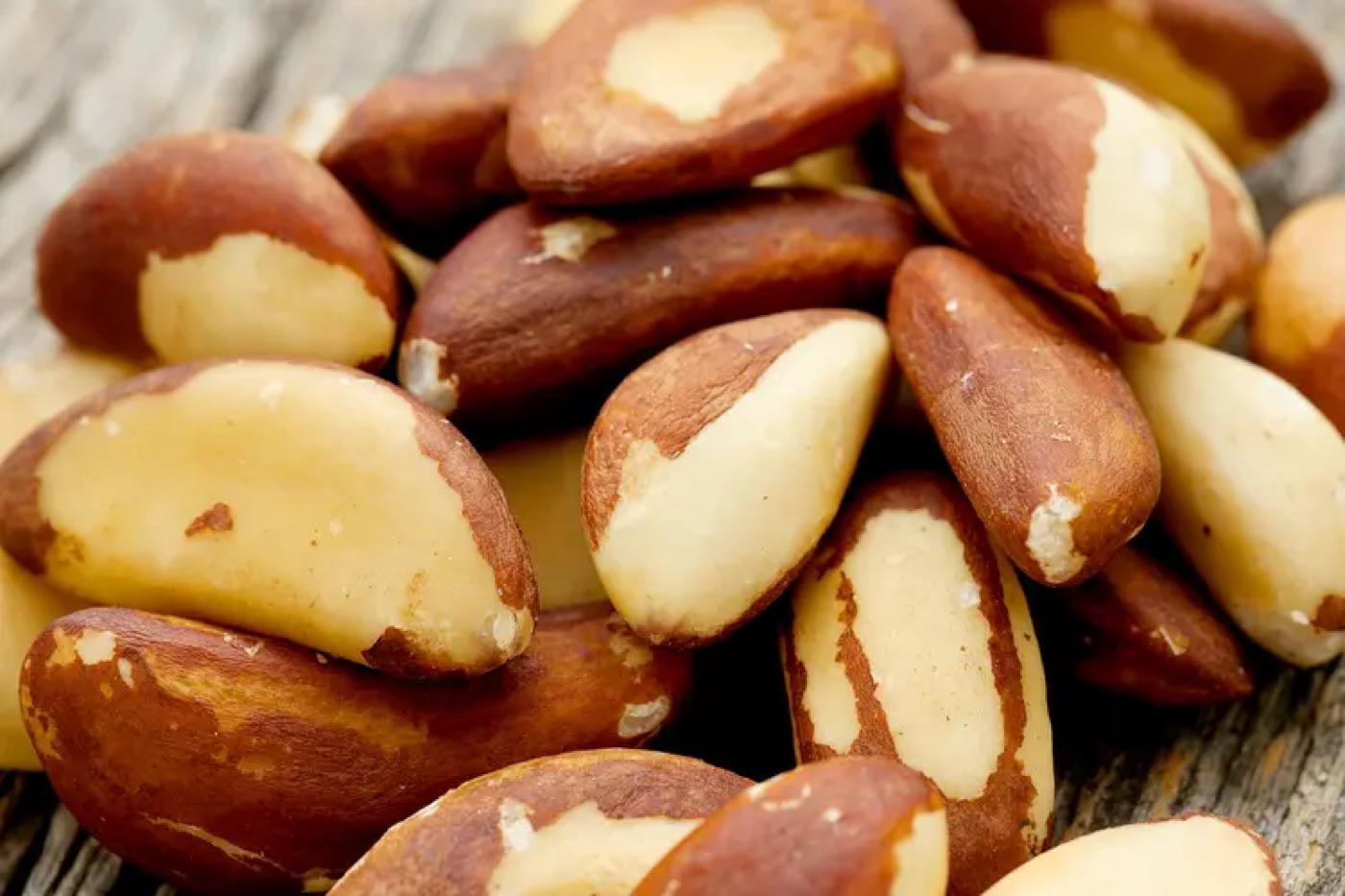
- Selenium helps convert T4 into T3, and supplementation has been shown to significantly reduce thyroid antibody levels in autoimmune thyroiditis.²⁴ It has a narrow therapeutic range though, so more is not better.²⁵
- Vitamin D deficiency is significantly more common in autoimmune thyroid disease, and vitamin D levels are inversely linked to thyroid antibodies.²⁶ ²⁷ (If you missed it, I wrote a whole article on why “normal” vitamin D often isn’t enough.)
- Iron is needed by thyroid peroxidase, the enzyme that makes thyroid hormone, and iron deficiency lowers T4 and T3 and the conversion of T4 into T3.²³
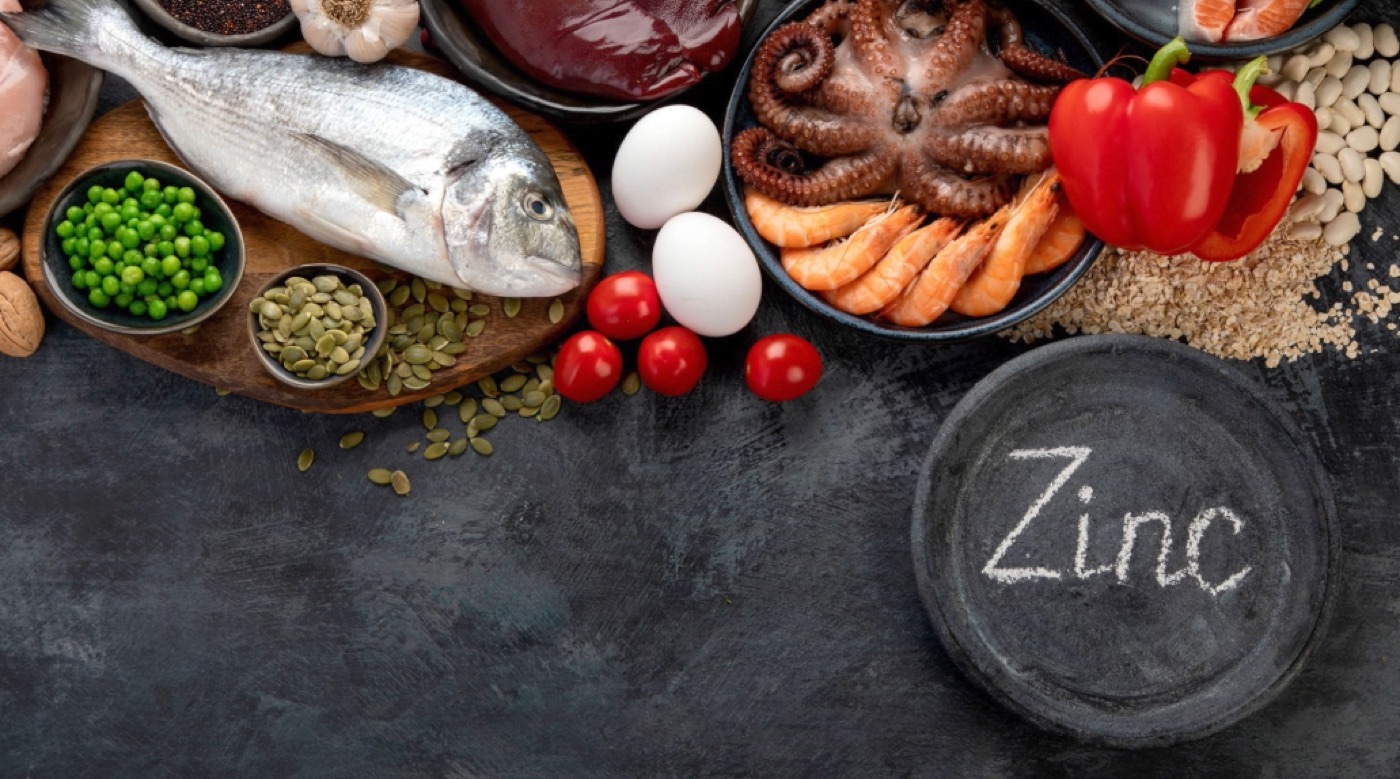
- Zinc supports the conversion of T4 into T3 and the receptors that respond to thyroid hormone.²⁸
A word of caution on iodine: iodine supplements should not be used in autoimmune thyroid disease, or alongside thyroxine.²⁹ Iodine content in kelp and seaweed supplements also varies hugely.³⁰ Please don’t start an iodine or kelp supplement because you read that it’s “good for the thyroid”.
If You’re On Thyroid Medication
Levothyroxine (synthetic T4) is the first-line conventional treatment.³¹ This isn’t about replacing it. But if you’re taking it and still don’t feel well, it’s worth knowing that medication often doesn’t work as hoped because of conversion problems, such as nutrient deficiencies, which is exactly where nutrition comes in.
Its absorption can also be reduced by things like low stomach acid, acid-reducing medication (PPIs) and coffee.³¹ ³²
Three Things You Can Do This Week
1. Ask for the full picture. If you’ve only ever had TSH and free T4 tested, ask your doctor about free T3, reverse T3, and TPO and thyroglobulin antibodies. If you already have results, look at whether antibodies were ever checked.
2. Reduce your exposure to thyroid disruptors. Drink filtered water, choose a fluoride-free toothpaste, eat organic where you can, avoid processed foods and plastic packaging, limit time in chlorinated pools, and switch to natural cleaning products.¹⁵ ¹⁶

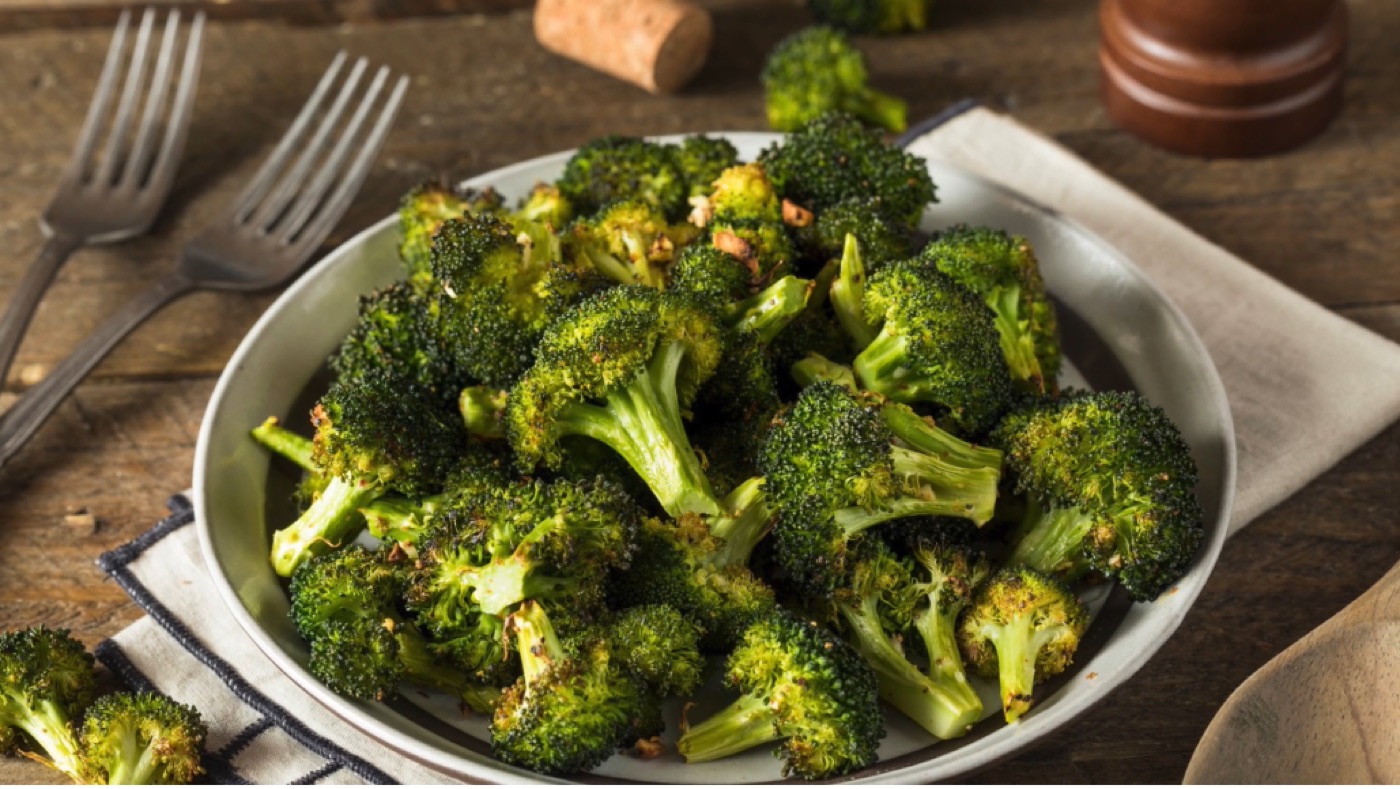
3. Keep eating your greens, just cook them. Raw brassicas like broccoli, kale and cabbage contain goitrogens, which can reduce iodine uptake,³³ but cooking, steaming or boiling deactivates them, and it is still beneficial to include these vegetables.³⁴ ³⁵
What This Doesn’t Cover
You won’t find a protocol or a list of supplements in this article, and that’s on purpose. Hashimoto’s is never just about one missing nutrient, and what helps one woman can be useless, or even in certain cases harmful, for another. The right approach depends on your unique health situation: your full thyroid results and antibodies, your nutrient levels, your gut health, your hormones, your blood sugar, the medications you take, and your health goals. Taking the wrong thing, like iodine, can make things worse.
This is exactly what we look at together in a free clarity call. If you already have blood tests, bring them, I’ll review your existing labs and look at them through a functional lens, to spot patterns that standard ranges can miss. Then we can build a plan that’s specific to your body and compatible with any medication you’re on.
If you’ve been told your thyroid is “normal” but you still don’t feel like yourself, that’s where I come in.
Together, we’ll make sure you get the right testing for your situation, not just your thyroid, and I’ll help you advocate for yourself with your doctor. Then we’ll uncover what’s really driving your metabolism and address the root cause for your long-term health.
So that you can start thriving again, the way nature designed you.

FREE
Book your free clarity call
A 1-hour conversation where I take the time to understand your current health situation, get clear on your health objectives, and share what’s your smartest next steps to improve your health.
References
¹ Mincer, D.L. and Jialal, I. (2020) Hashimoto Thyroiditis. StatPearls. Treasure Island (FL): StatPearls Publishing. Available at: https://www.ncbi.nlm.nih.gov/books/NBK459262/
² National Institute for Health and Care Excellence (2019) Thyroid disease: assessment and management (NICE guideline NG145). London: NICE. Available at: https://www.nice.org.uk/guidance/ng145
³ Chaker, L., Bianco, A.C., Jonklaas, J. and Peeters, R.P. (2017) ‘Hypothyroidism’, The Lancet, 390(10101), pp. 1550-1562.
⁴ Biondi, B., Cappola, A.R. and Cooper, D.S. (2019) ‘Subclinical hypothyroidism: a review’, JAMA, 322(2), pp. 153-160.
⁵ Larsen, P.R. and Zavacki, A.M. (2012) ‘Role of the iodothyronine deiodinases in the physiology and pathophysiology of thyroid hormone action’, European Thyroid Journal, 1, pp. 232-242.
⁶ Virili, C., Fallahi, P., Antonelli, A. et al. (2018) ‘Gut microbiota and Hashimoto’s thyroiditis’, Reviews in Endocrine and Metabolic Disorders, 19, pp. 293-300.
⁷ Virili, C., Stramazzo, I. and Centanni, M. (2021) ‘Gut microbiome and thyroid autoimmunity’, Best Practice & Research Clinical Endocrinology & Metabolism. Available at: https://www.sciencedirect.com/science/article/abs/pii/S1521690X21000233
⁸ Krysiak, R., Szkróbka, W. and Okopień, B. (2019) ‘The effect of gluten-free diet on thyroid autoimmunity in drug-naïve women with Hashimoto’s thyroiditis: a pilot study’, Experimental and Clinical Endocrinology & Diabetes, 127(7), pp. 417-422.
⁹ Vojdani, A., Gushgari, L.R. and Vojdani, E. (2020) ‘Interaction between food antigens and the immune system: association with autoimmune disorders’, Autoimmunity Reviews, 19(3), 102459.
¹⁰ Asik, M., Gunes, F., Binnetoglu, E., Eroglu, M. et al. (2014) ‘Decrease in TSH levels after lactose restriction in Hashimoto’s thyroiditis patients with lactose intolerance’, Endocrine, 46(2), pp. 279-284.
¹¹ Laurberg, P., Pedersen, I.B., Knudsen, N., Ovesen, L. et al. (2001) ‘Environmental iodine intake affects the type of nonmalignant thyroid disease’, Thyroid, 11(5), pp. 457-469.
¹² Mizokami, T., Wu Li, A., El-Kaissi, S. and Wall, J.R. (2004) ‘Stress and thyroid autoimmunity’, Thyroid, 14(12), pp. 1047-1055.
¹³ Gallagher, C.M. and Meliker, J.R. (2012) ‘Mercury and thyroid autoantibodies in U.S. women, NHANES 2007-2008’, Environment International, 40, pp. 39-43.
¹⁴ Dann, A.B. and Hontela, A. (2011) ‘Triclosan: environmental exposure, toxicity and mechanisms of action’, Journal of Applied Toxicology, 31(4), pp. 285-311.
¹⁵ Peckham, S., Lowery, D. and Spencer, S. (2015) ‘Are fluoride levels in drinking water associated with hypothyroidism prevalence in England? A large observational study of GP practice data and fluoride levels in drinking water’, Journal of Epidemiology and Community Health, 69, pp. 619-624.
¹⁶ Malin, A.J., Riddell, J., McCague, H. and Till, C. (2018) ‘Fluoride exposure and thyroid function among adults living in Canada: effect modification by iodine status’, Environment International, 121(1), pp. 667-674.
¹⁷ Xerfan, E., Facina, A.S., Andersen, M.L., Tufik, S. and Tomimori, J. (2019) ‘Hashimoto thyroiditis as a cause or consequence of obstructive sleep apnea’, Journal of Clinical Sleep Medicine, 15(11), p. 1703.
¹⁸ Feng, M., Li, H., Chen, S.F., Li, W.F. et al. (2013) ‘Polymorphisms in the vitamin D receptor gene and risk of autoimmune thyroid diseases: a meta-analysis’, Endocrine, 43(2), pp. 318-326.
¹⁹ Teede, H.J. et al. (2026) ‘Polyendocrine metabolic ovarian syndrome, the new name for polycystic ovary syndrome: a multistep global consensus process’, The Lancet. doi:10.1016/S0140-6736(26)00717-8.
²⁰ Azziz, R. et al. (2016) ‘Polycystic ovary syndrome’, Nature Reviews Disease Primers, 2, 16057.
²¹ Romitti, M., Fabris, V.C., Ziegelmann, P.K., Maia, A.L. and Spritzer, P.M. (2018) ‘Association between PCOS and autoimmune thyroid disease: a systematic review and meta-analysis’, Endocrine Connections, 7(11), pp. 1158-1167.
²² Witchel, S.F., Oberfield, S.E. and Peña, A.S. (2019) ‘Polycystic ovary syndrome: pathophysiology, presentation, and treatment with emphasis on adolescent girls’, Journal of the Endocrine Society, 3(8), pp. 1545-1573.
²³ Zimmermann, M.B. and Köhrle, J. (2002) ‘The impact of iron and selenium deficiencies on iodine and thyroid metabolism: biochemistry and relevance to public health’, Thyroid, 12(10), pp. 867-878.
²⁴ Wichman, J., Winther, K.H., Bonnema, S.J. and Hegedüs, L. (2016) ‘Selenium supplementation significantly reduces thyroid autoantibody levels in patients with chronic autoimmune thyroiditis: a systematic review and meta-analysis’, Thyroid, 26(12), pp. 1681-1692.
²⁵ Ventura, M., Melo, M. and Carrilho, F. (2017) ‘Selenium and thyroid disease: from pathophysiology to treatment’, International Journal of Endocrinology, 2017, 1297658.
²⁶ Kivity, S., Agmon-Levin, N., Zisappl, M., Shapira, Y. et al. (2011) ‘Vitamin D and autoimmune thyroid diseases’, Cellular & Molecular Immunology, 8(3), pp. 243-247.
²⁷ Krysiak, R., Szkróbka, W. and Okopień, B. (2017) ‘The effect of vitamin D on thyroid autoimmunity in levothyroxine-treated women with Hashimoto’s thyroiditis and normal vitamin D status’, Experimental and Clinical Endocrinology & Diabetes, 125(4), pp. 229-233.
²⁸ Severo, J.S., Morais, J.B.S., Freitas, T.E.C., Andrade, A.L.P. et al. (2019) ‘The role of zinc in thyroid hormones metabolism’, International Journal for Vitamin and Nutrition Research, 89(1-2).
²⁹ Liontiris, M.I. and Mazokopakis, E.E. (2017) ‘A concise review of Hashimoto thyroiditis (HT) and the importance of iodine, selenium, vitamin D and gluten on the autoimmunity and dietary management of HT patients. Points that need more investigation’, Hellenic Journal of Nuclear Medicine, 20(1), pp. 51-56.
³⁰ Teas, J., Pino, S., Critchley, A. and Braverman, L.E. (2004) ‘Variability of iodine content in common commercially available edible seaweeds’, Thyroid, 14, pp. 836-841.
³¹ Jonklaas, J. et al. (2014) ‘Guidelines for the treatment of hypothyroidism: prepared by the American Thyroid Association task force on thyroid hormone replacement’, Thyroid, 24(12), pp. 1670-1751.
³² Benvenga, S. et al. (2008) ‘Altered intestinal absorption of L-thyroxine caused by coffee’, Thyroid, 18(3), pp. 293-301.
³³ Felker, P., Bunch, R. and Leung, A.M. (2016) ‘Concentrations of thiocyanate and goitrin in human plasma, their precursor concentrations in brassica vegetables, and associated potential risk for hypothyroidism’, Nutrition Reviews, 74(4), pp. 248-258.
³⁴ McMillan, M., Spinks, E.A. and Fenwick, G.R. (1986) ‘Preliminary observations on the effect of dietary brussels sprouts on thyroid function’, Human Toxicology, 5(1), pp. 15-19.
³⁵ Yuan, G.F., Sun, B., Yuan, J. and Wang, Q.M. (2009) ‘Effects of different cooking methods on health-promoting compounds of broccoli’, Journal of Zhejiang University Science B, 10(8), pp. 580-588.
FREE
Book your free clarity call
A 1-hour conversation where I take the time to understand your current health situation, get clear on your health objectives, and share what's your smartest next steps to improve your health.
This article is for educational purposes only and is not a substitute for personalised medical advice. Please consult a qualified healthcare practitioner before making changes to your diet, supplements, or lifestyle, especially if you are pregnant, breastfeeding, or managing a medical condition.