Diabetes: 90% Of People With Prediabetes Don’t Know They Have It
When I first came across this figure, it stopped me in my tracks.¹ It means that most people whose blood sugar is already rising have no idea, because the early signs are so easy to brush off.
Type 2 diabetes doesn’t appear overnight. It builds quietly, often for years, before anyone says the word “diabetes”. What’s happening in the background is called insulin resistance. The good news? It can be picked up early, and it responds beautifully to the way you eat and live.
And it’s worth catching. About 1 in 4 people with prediabetes develop type 2 diabetes within 3 to 5 years, and up to 70% will at some point in their life.¹ Worldwide, more than 460 million people live with type 2 diabetes.²
Inflammation was at the heart of my own healing journey with rheumatoid arthritis. So when I learned how closely insulin resistance and inflammation feed each other, this topic became a priority for me.
It’s also something I’m helping my clients with more and more. Very often they are over 40, there’s a history of diabetes in their family, and they discover they are in prediabetes and are getting, at the same time, a diagnosis of autoimmune disease.
What Is Insulin Resistance?
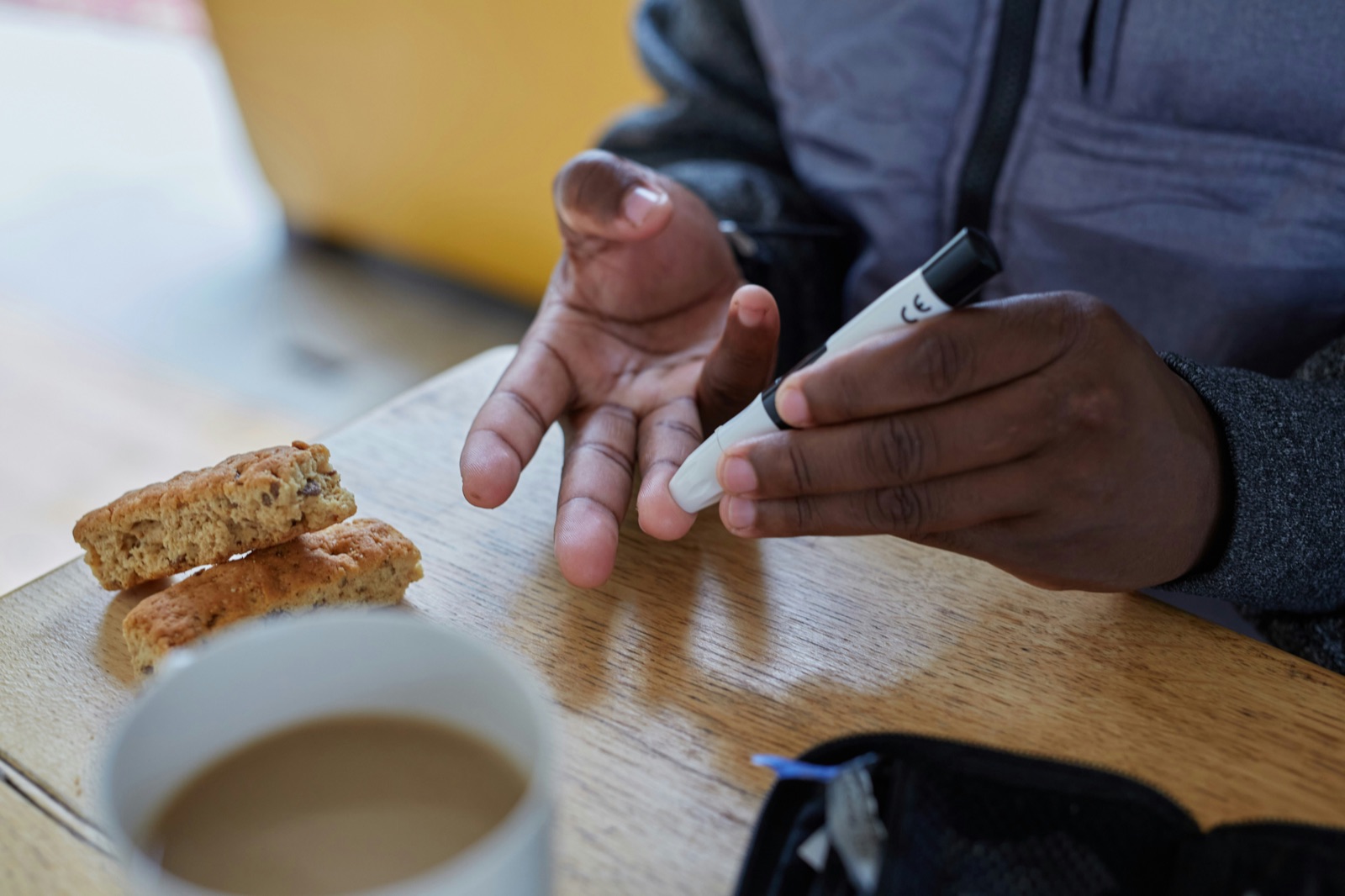
Every time you eat, the sugar from your food goes into your blood. Your pancreas then releases insulin, a hormone that works like a key: it opens your cells so the sugar can get in and give you energy.
With insulin resistance, the lock gets stiff. Your cells don’t respond to the key as well as they should, so your pancreas has to make more and more insulin, and your blood sugar stays high for longer. For a while, your body copes. Eventually the pancreas can’t keep up, and blood sugar climbs, first into prediabetes, then into diabetes.
It also encourages fat to settle deep in your belly, around your organs. This fat isn’t just storage: it sends inflammatory signals around your whole body. That’s why I call it a vicious circle: inflammation drives insulin resistance, and insulin resistance drives inflammation.
Left unchecked, high blood sugar damages blood vessels over time, raising the risk of heart disease, stroke, and problems with the eyes, nerves and kidneys. This is exactly why catching it early matters so much.
The Signs Worth Paying Attention To
Insulin resistance often shows up long before a diagnosis. Look out for:
- Feeling tired or sleepy after meals
- Being hungry all the time, or craving sweet things
- Brain fog
- Weight that settles around your waist
- Higher blood pressure or triglycerides
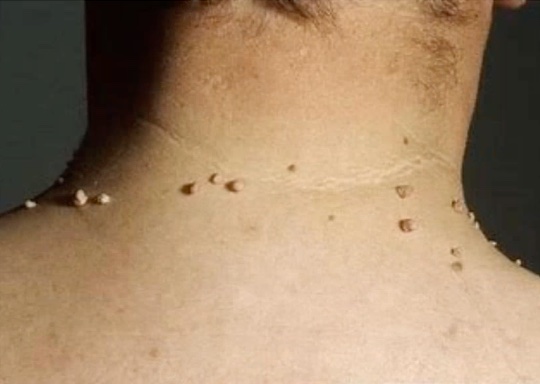
- Skin tags, or darker, velvety patches of skin on the neck or under the arms
And many people don’t realise this: you don’t have to be overweight to have it. In Asian countries, 60 to 80% of people with type 2 diabetes are not obese.
What Drives It
There’s rarely just one cause. Family history, being of Asian, African or Afro-Caribbean origin, and being over 45 all raise your risk. You can’t change these, but knowing them means you can act earlier.
Some medications can play a role too. What makes me sad is seeing this in people with autoimmune disease: corticosteroids are often prescribed to calm inflammation, and over the long term, type 2 diabetes can become one of their consequences, it’s called secondary diabetes. It’s one more reason I pay close attention to blood sugar with my autoimmune clients.
Then come the things you can change: meals heavy in sugar and refined carbs, hidden fructose in processed foods, missing nutrients, sitting too much, chronic stress, poor sleep and everyday toxins. And one factor that’s too often overlooked: your gut.
The Gut And Blood Sugar Connection
This is the part that’s almost never discussed in a standard appointment, and the one I find most fascinating.
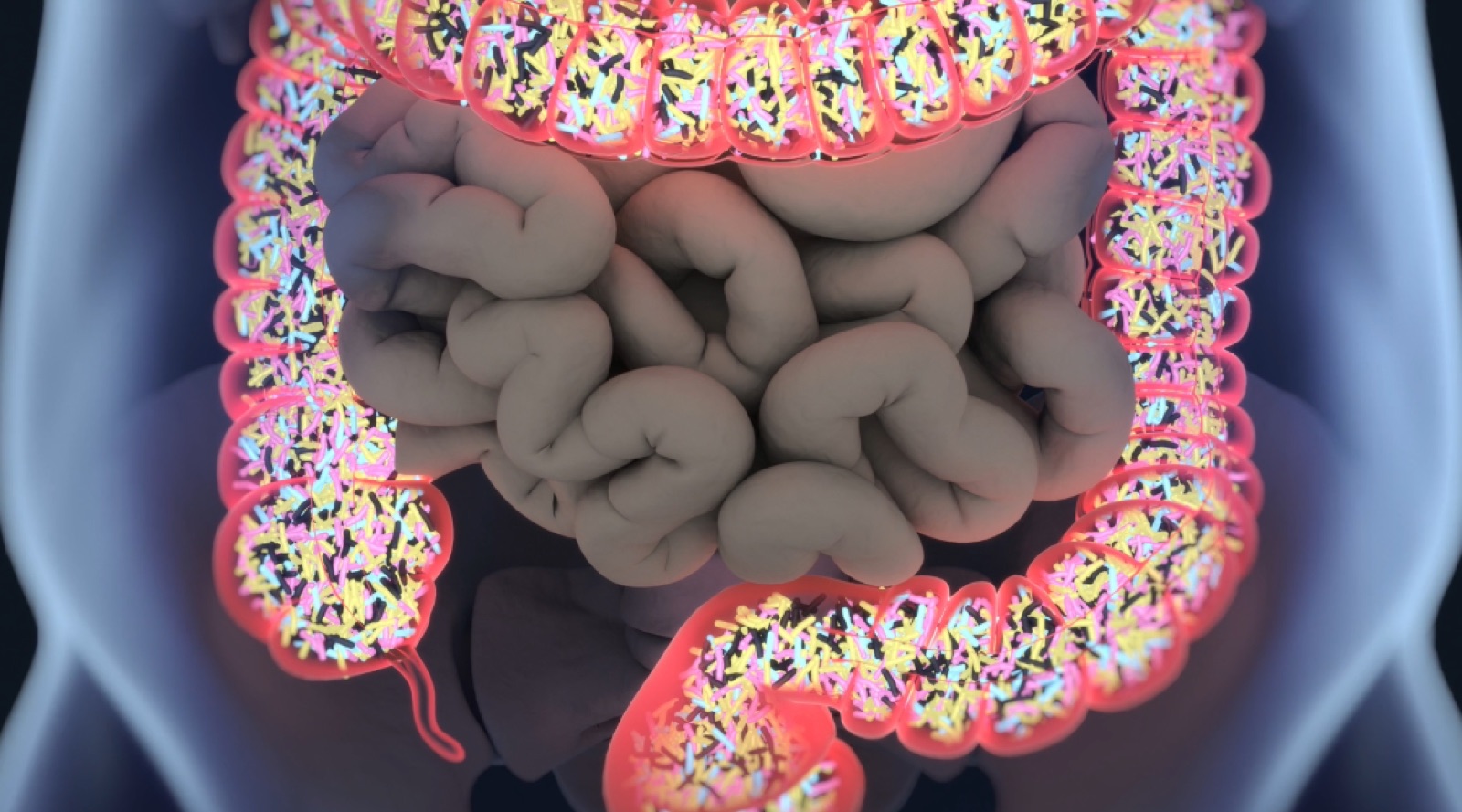
When the balance of your gut bacteria tips in the wrong direction, your gut lining can become more “leaky”.³ Toxins from certain bacteria then slip into your bloodstream, and this has been shown to trigger insulin resistance.⁴ Some bacteria, like Bifidobacterium and Akkermansia, seem to protect you, while people with type 2 diabetes tend to have less variety in their gut bacteria.³
Our modern, low-fibre diet is a big part of the story. Your gut bacteria are designed to feed on the fibre in plants, and when they go hungry, your metabolism pays the price.
Know Your Numbers
Two simple blood tests can tell you a lot: fasting glucose, your blood sugar first thing in the morning, and HbA1c, your average blood sugar over the last two to three months.
You’re in the prediabetes range if your fasting glucose is between 5.5 and 6.9 mmol/L (100 to 125 mg/dL), or your HbA1c is between 42 and 47 mmol/mol (6.0 to 6.4%).⁵
But “normal” isn’t always optimal. A large study found that the lowest risk of dying was seen with a fasting glucose between 4.4 and 5.2 mmol/L.⁶ So if your numbers are creeping up, even within the normal range, see it as an early warning, and the best moment to act.
When I review a client’s blood tests, I also look at blood fats, liver and inflammation markers, blood pressure, among other markers. Together, they tell a much richer story than blood sugar alone.
Food And Nutrients
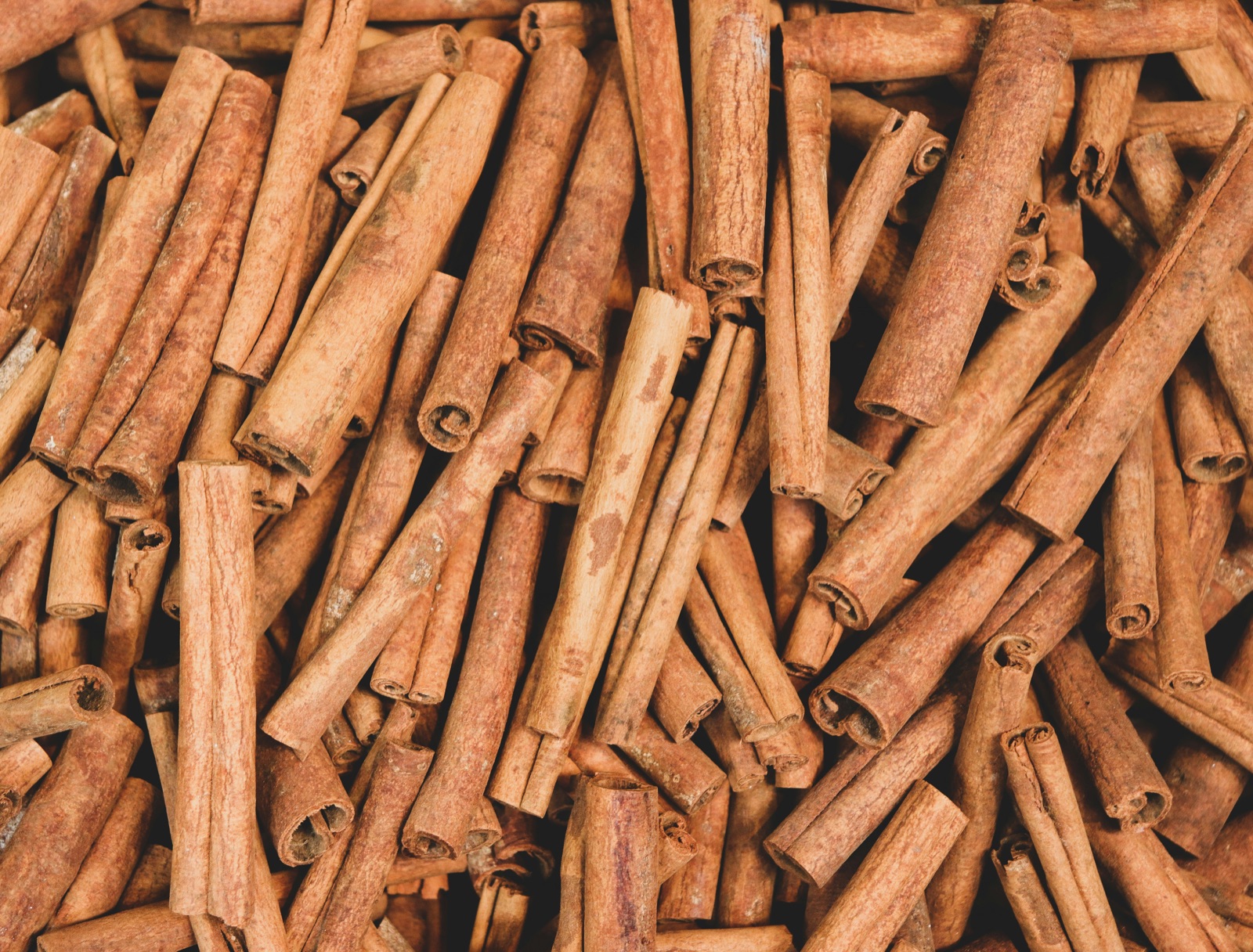
Quality matters more than counting calories. Meals that release their sugar slowly have been shown to improve blood sugar and HbA1c, and to calm inflammation.⁷ In practice, that means fewer refined carbs, no sugary drinks, and more vegetables, fibre, protein and good fats. Even a simple spice like cinnamon has been shown to support insulin sensitivity.⁸
My tip: cinnamon contains compounds that mimic the action of insulin, helping sugar get into your cells.⁹ Sprinkle it on your porridge, yoghurt or coffee, or add it to curries and stews. Its natural sweetness also makes it easier to cut back on sugar.
Nutrients matter too, and several play a role in how well your body responds to insulin. To give you just two examples: low magnesium can worsen insulin resistance,¹⁰ and vitamin D supports the cells in your pancreas that make insulin.¹¹ These are only part of the picture, and there are others I look at with my clients. Many people with blood sugar issues are low in exactly the nutrients they need most, which is why I always prefer testing to guessing.
If You’re On Diabetes Medication
This isn’t about replacing your treatment. But changing what you eat can lower your blood sugar, sometimes quickly. If you take medication for diabetes, work with your doctor so your treatment can be monitored and adjusted, and never start supplements or herbs without guidance, as some lower blood sugar further.
This is how I work with my clients: I build their naturopathic protocol taking their medications carefully into account, with regular monitoring, and it’s always their doctor who confirms any change to their medication, or stopping it.
And with more and more people now taking GLP-1 medications, the peptides used for type 2 diabetes and weight loss, supporting clients on these treatments has become a growing part of my work too.
Four Things You Can Do This Week
1. Know your numbers. Ask your doctor for a fasting glucose and an HbA1c test, and check where you sit, even within “normal”.
2. Start your day with protein. A protein-based breakfast helps steady your insulin and keeps snacking at bay.
3. Eat dinner earlier, then walk. Give your body a proper overnight break from food, and take a walk after meals to help your muscles use up that sugar.
4. Avoid “white foods”. White bread, white pasta, white rice and white sugar have lost most of their fibre, vitamins and minerals in refining. They give you calories with very little nourishment, and they send your blood sugar soaring. Refined white salt is stripped of its trace minerals too, so swap it for an unrefined salt. And don’t swap sugar for artificial sweeteners: even with zero calories, they can still signal your body to release insulin, without any glucose to use it on.
What’s Possible
I want to share the words of one of my clients, Diarra, because her story shows what can happen when you address the root causes:
★★★★★
“I have been diabetic since 2022, and my glycated hemoglobin (HbA1c) was at 7%. I felt truly unwell in my body and had the impression of accumulating symptoms without finding a real solution. […]
After working with Houleye my HbA1c dropped from 7% to 5.6% (normal range). I also lost weight and, most importantly, saw the various symptoms that were bothering me disappear. […]
I really didn’t think I could achieve such results in just one month of follow-up. My general practitioner had explained to me that I would not be able to “cure” my diabetes and that I would probably need lifelong treatment. So it was an immense surprise for me to see my blood sugar balance improve so much.”
Diarra, Civil Servant
Read Diarra’s full testimonial
What This Doesn’t Cover
You won’t find a protocol or supplement doses here. The right approach depends on your blood results, your gut health, your stress and sleep, your hormones and your goals.
This is exactly what we look at together in a free clarity call. Bring your blood tests if you have them. I’ll review them through a functional lens, to spot patterns that standard ranges can miss, and we’ll build a plan that’s specific to your body and compatible with any medication you’re on.
If your blood sugar is creeping up, or you’ve been told you’re “borderline”, this is your best window to act. So that you can start thriving again, the way nature designed you.

FREE
Book your free clarity call
A 1-hour conversation where I take the time to understand your current health situation, get clear on your health objectives, and share what’s your smartest next steps to improve your health.
References
¹ Hostalek, U. (2019) ‘Global epidemiology of prediabetes: present and future perspectives’, Clinical Diabetes and Endocrinology, 5(5).
² Khan, M.A.B., Hashim, M.J., King, J.K., Govender, R.D. et al. (2020) ‘Epidemiology of type 2 diabetes: global burden of disease and forecasted trends’, Journal of Epidemiology and Global Health, 10(1), pp. 107-111.
³ Gurung, M., Li, Z., You, H., Rodrigues, R. et al. (2020) ‘Role of gut microbiota in type 2 diabetes pathophysiology’, EBioMedicine, 51, 102590.
⁴ Cani, P.D., Amar, J., Iglesias, M.A., Poggi, M. et al. (2007) ‘Metabolic endotoxemia initiates obesity and insulin resistance’, Diabetes, 56(7), pp. 1761-1772.
⁵ National Institute for Health and Care Excellence (2016) Type 2 diabetes: prevention in people at high risk (Public health guideline PH38). London: NICE. Available at: https://www.nice.org.uk/guidance/ph38
⁶ Yi, S.W., Park, S., Lee, Y.H. et al. (2017) ‘Association between fasting glucose and all-cause mortality according to sex and age: a prospective cohort study’, Scientific Reports, 7(1), 8194.
⁷ Ojo, O. (2019) ‘Dietary intake and type 2 diabetes’, Nutrients, 11(9), 2177.
⁸ Allen, R.W., Schwartzman, E., Baker, W.L., Coleman, C.I. and Phung, O.J. (2013) ‘Cinnamon use in type 2 diabetes: an updated systematic review and meta-analysis’, Annals of Family Medicine, 11(5), pp. 452-459.
⁹ Anderson, R.A., Broadhurst, C.L., Polansky, M.M., Schmidt, W.F. et al. (2004) ‘Isolation and characterization of polyphenol type-A polymers from cinnamon with insulin-like biological activity’, Journal of Agricultural and Food Chemistry, 52(1), pp. 65-70.
¹⁰ Barbagallo, M. and Dominguez, L.J. (2015) ‘Magnesium and type 2 diabetes’, World Journal of Diabetes, 6(10), pp. 1152-1157.
¹¹ Mitri, J. and Pittas, A.G. (2014) ‘Vitamin D and diabetes’, Endocrinology and Metabolism Clinics of North America, 43(1), pp. 205-232.
FREE
Book your free clarity call
A 1-hour conversation where I take the time to understand your current health situation, get clear on your health objectives, and share what's your smartest next steps to improve your health.
This article is for educational purposes only and is not a substitute for personalised medical advice. Please consult a qualified healthcare practitioner before making changes to your diet, supplements, or lifestyle, especially if you are pregnant, breastfeeding, or managing a medical condition.